Managing Human Lives by the Logic of Interest
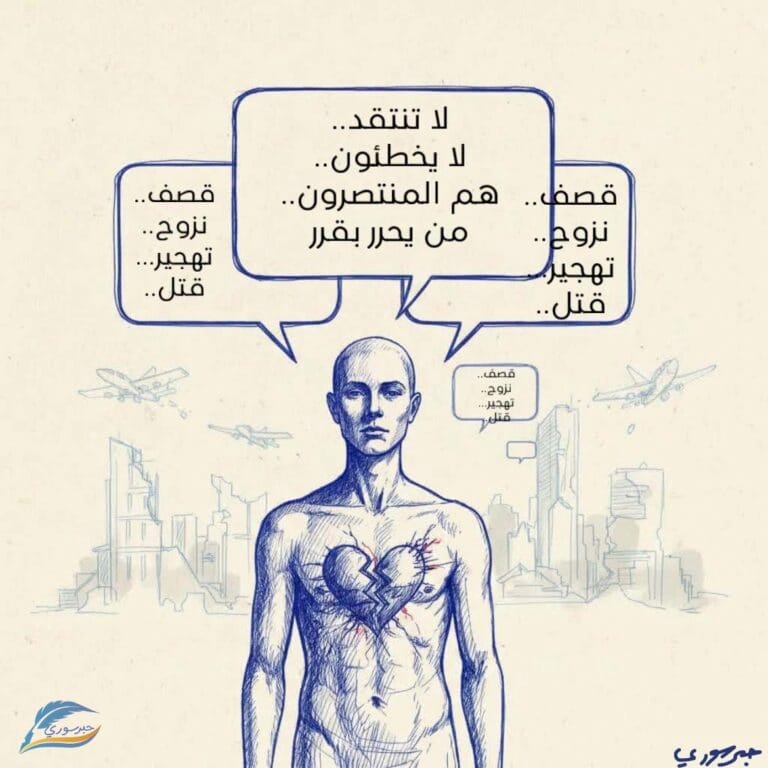
European discussion about the “return of Syrian refugees” has begun to rise again, yet the questions being posed seem less about return itself and more about how the file is managed. The debate is not only about who will return, but about who is allowed to be present in that discussion — and who is quietly excluded from it.
The language used in political statements reveals much, particularly in Germany, which hosts the largest number of Syrians. There is recurring talk of deporting those classified by authorities as outside the labor market or involved in crime. Ready-made categories, easily employed politically, are presented as though they were the essence of the problem.
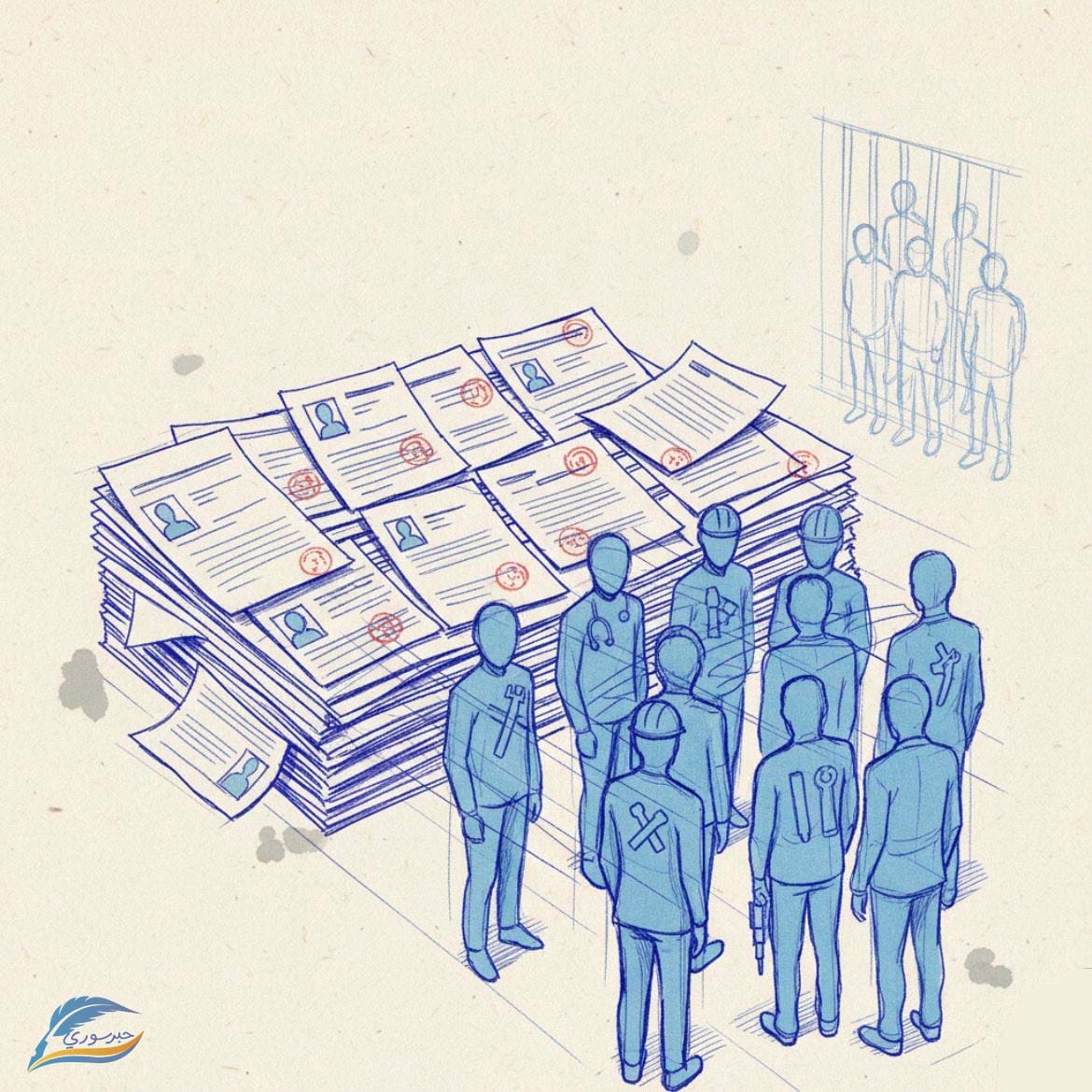
Meanwhile, German — and European more broadly — discourse passes quickly over other groups, or ignores them entirely: doctors, nurses, engineers, technicians, and skilled workers. Syrians who have worked in Europe for years and contribute to its vital sectors disappear from view whenever the issue of “return” is raised.
This discourse does not address what Syria today actually needs in terms of expertise, nor the role such groups would play in any serious conversation about reconstruction or stability. Instead, what is proposed is a cold administrative sorting: who may remain and who can be dispensed with. Return appears less as a human choice or a right tied to conditions and safety, and more as a tool used when political interest requires it.
At the same time, another issue has long been sidestepped in Europe: its own citizens affiliated with extremist organizations and detained in prisons in Syria and Iraq. These are European citizens, yet the continent shows little real willingness to repatriate them or prosecute them under its own laws. Instead, the file is left suspended, and its burden is effectively transferred to the Syrian interior.
This burden falls on a country exhausted by more than fourteen years of war, with fragile security and judicial structures and a social reality already unable to absorb additional pressures of this magnitude. Justice is postponed, and responsibility displaced, in the name of complexity and the difficulty of recovery.
What links the refugee return file and the foreign fighters file is not timing but logic — the management of human affairs by distance. What is politically near is debated and reshaped; what is morally distant is left aside. The refugee is reduced to economic productivity, and the extremist fighter to a problem beyond the border.
In both cases, the real question does not appear to be what justice and fairness require, but where the cost can be pushed — without being seen.