Syrians, Hungry to Speak, Silence One Another
There is something that needs to be said. After the fall of the Syrian regime that had weighed on people’s chests for fifty years—breaking pens and tearing blank white pages—social media filled with posts and tweets. Debates and reactions multiplied. The virtual world turned into vast political salons, reflecting the breadth of Syrian society and, in one way or another, expressing a reality still intoxicated with the joy of victory—rightfully so.
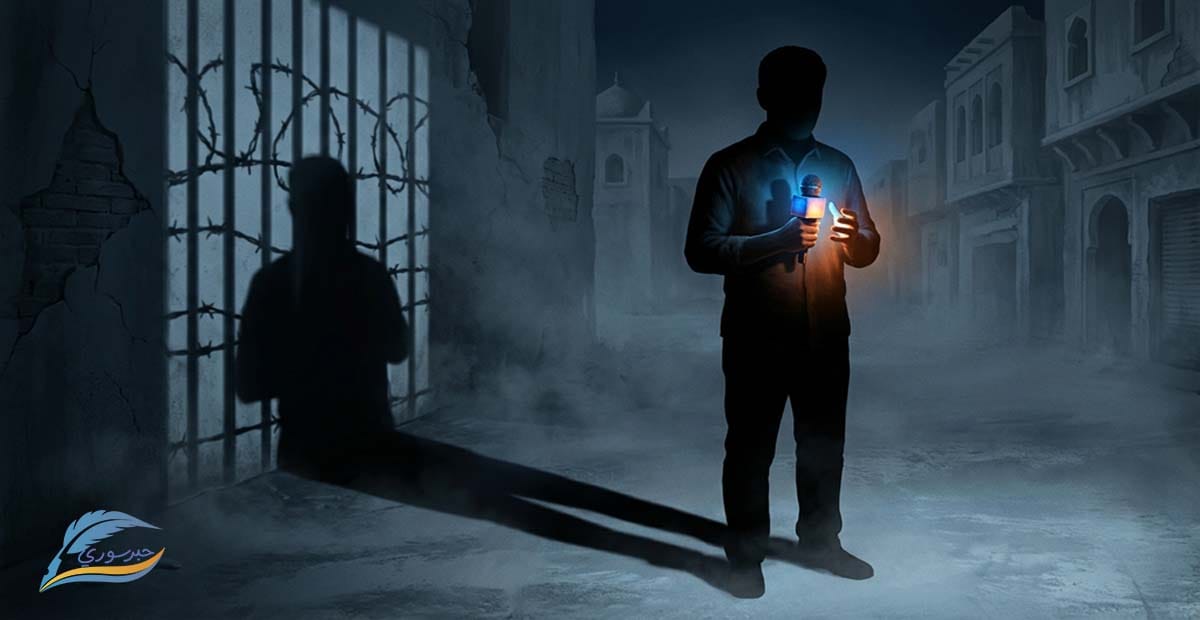
As Syrians—old opposition figures and new alike—we remain hungry, almost hysterically hungry, to express what runs through our minds: to write a post or comment on another. Many opposition voices claim they used to write and express themselves before the regime fell, and that is true, no doubt—but it was only a trickle compared to what is happening today, after the locks were broken from our mouths. Back then, every post carried danger above us: if not the executioner, then at least a family member or relative who would shut the doors of the virtual—and sometimes real—world out of fear for themselves or for us. This was compounded by the revolutionary defeatism we lived through in the period before Assad’s fall, when even using the term “Syrian revolution” became, in some cases, a journalistic embarrassment, and replacing it with “civil war” was treated in some outlets as a mark of sophistication and objectivity.
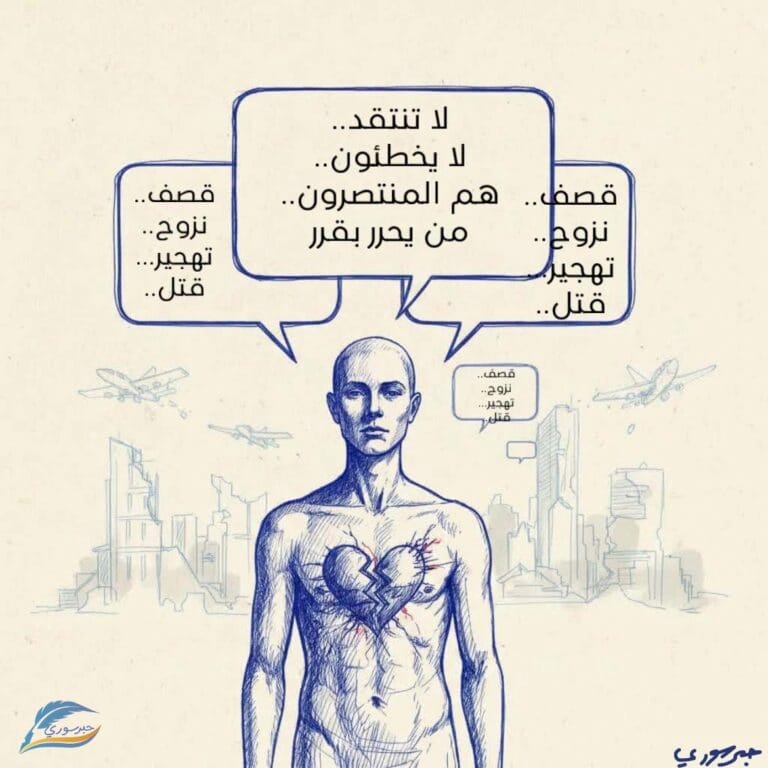
Today, with this flood of expression in every available form—especially across social media—there is indeed much worth saying. There are thoughtful and sober opinions, and naturally others that are the opposite. Yet one phenomenon has risen to the surface for any observer: exclusion, the destruction of the other, and rejection regardless of what they say—sometimes without even reading or hearing them. There is opposition for the sake of opposition, and support for the sake of support, without motives, reasons, or rational explanation. Blind opposition faces blind loyalty. Have we returned to the blindness we lived under for decades?
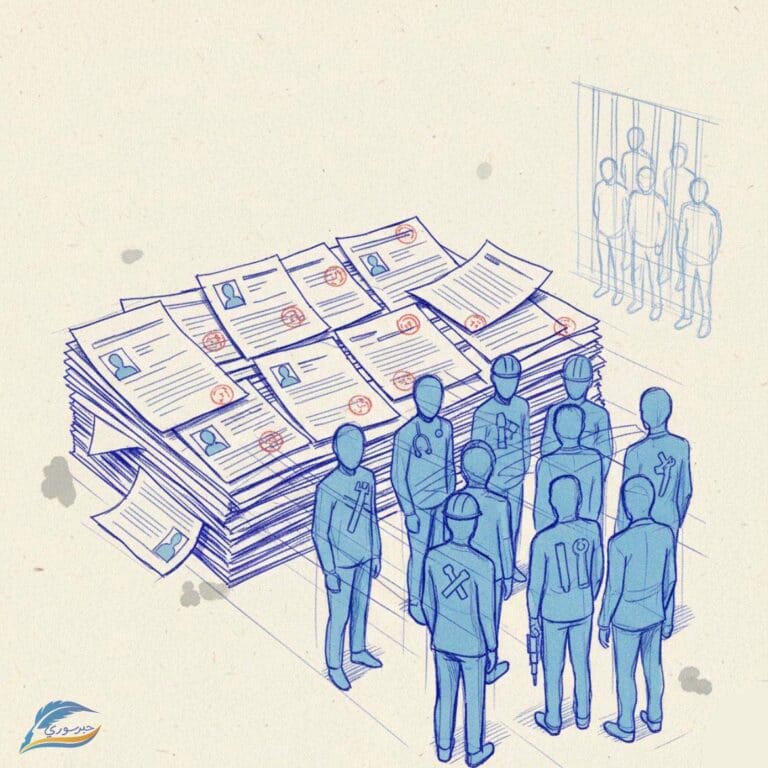
Consider what happens now. If a Syrian who spent much of his life abroad expresses concerns about his country, voices rise to silence him—not by debating his ideas, but by accusing him of not having lived the revolution and therefore lacking the right to speak. If someone fled as a wanted man, refusing submission or reconciliation, crossing seas and risking his life—and sometimes his children’s lives—he becomes one of “Europe’s spoiled expatriates,” seduced by secularism and civility. If someone remained and accepted settlement agreements, he is labeled a traitor and insulted. Even a military defector once celebrated for refusing to fire on Syrians may now be dismissed as someone who ran away and did not fight. Whoever kept arms is blamed for not joining the final battle; whoever joined is criticized for not belonging to the faction that later gained prestige.
To what stage of mutual exclusion are we heading?
Undoubtedly, there is massive online thuggery across social media. There are campaigns hunting for mistakes and actors eager to inflame sectarian tensions by seizing on a word here or an error there, spreading false news and amplifying misinformation instead of correcting it. Yet confronting them does not mean blind loyalty to any side or the prohibition of criticism. It means clarifying and dismantling falsehoods—not adopting the same abusive methods and rhetoric practiced for years by those we once opposed.
Repeating the mistakes of the past—especially the mistakes of the side we struggled against—will not allow Syria to become a country for all Syrians. It will instead push us into a new phase of division. Nor will it help if activists become mirror images of those they once criticized, transforming into voices of unquestioning support. Blind loyalty is no less ugly than blind opposition.